

TRANSFORMERComplete units
Oil-Immersed Transformers
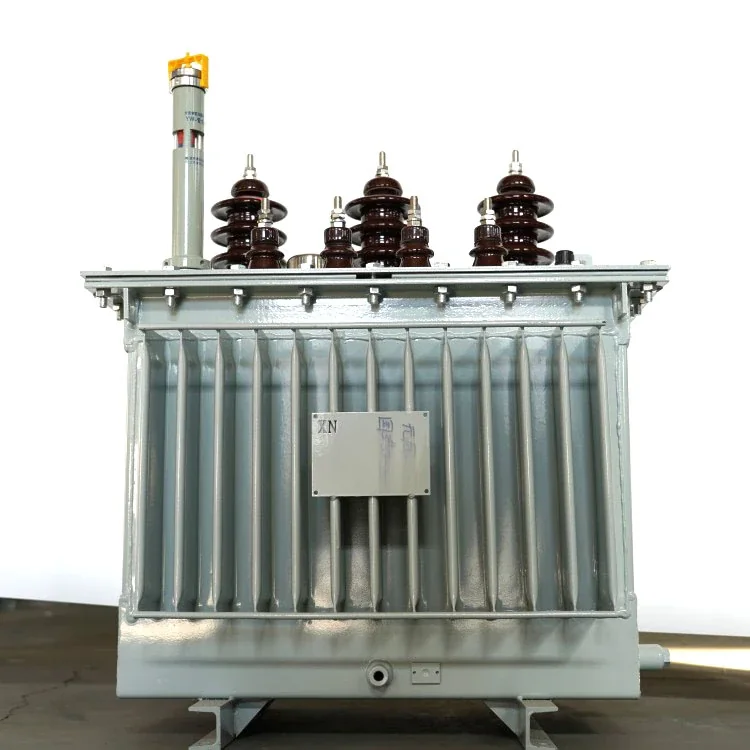
Three-phase oil-immersed transformers supplied through qualified manufacturing partners to the agreed HV / LV ratings, vector group and site conditions.
01 / Specification
Transformer specification
- Construction
- Three-phase, core type, oil-immersed
- Cooling
- ONAN; ONAF where the rating requires it
- Tank
- Hermetically sealed corrugated tank or conservator tank
- Windings
- Copper or aluminium conductors
- Voltage regulation
- Off-circuit tap changer; on-load tap changer by project
- Frequency · connection
- 50 / 60 Hz · Dyn11, Yyn0 or as specified
Rated power, HV / LV voltages, impedance, losses and accessories are defined per project and confirmed in the technical offer. Design basis: IEC 60076 or the specified project standard.
02 / Configuration
Tank and cooling
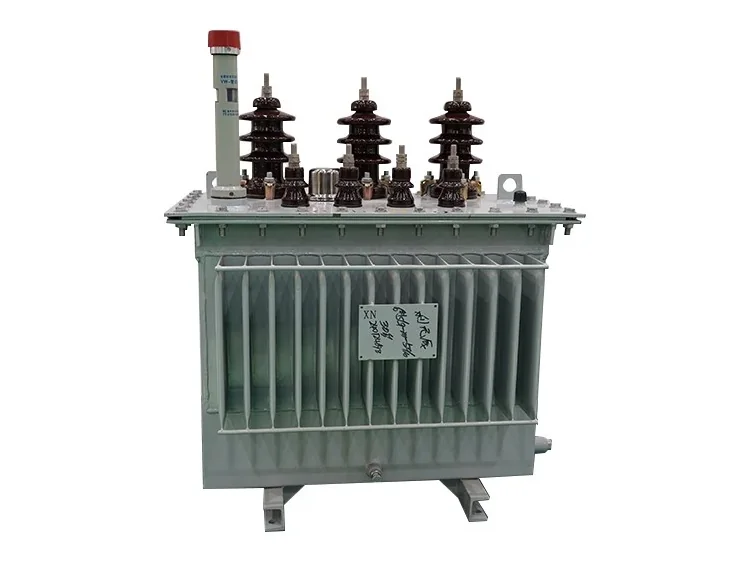
ATank design
Hermetically sealed
Corrugated tank walls take up the oil expansion. No conservator and no air contact with the oil, so routine maintenance stays minimal.
Typical use: distribution networks and compact substations.
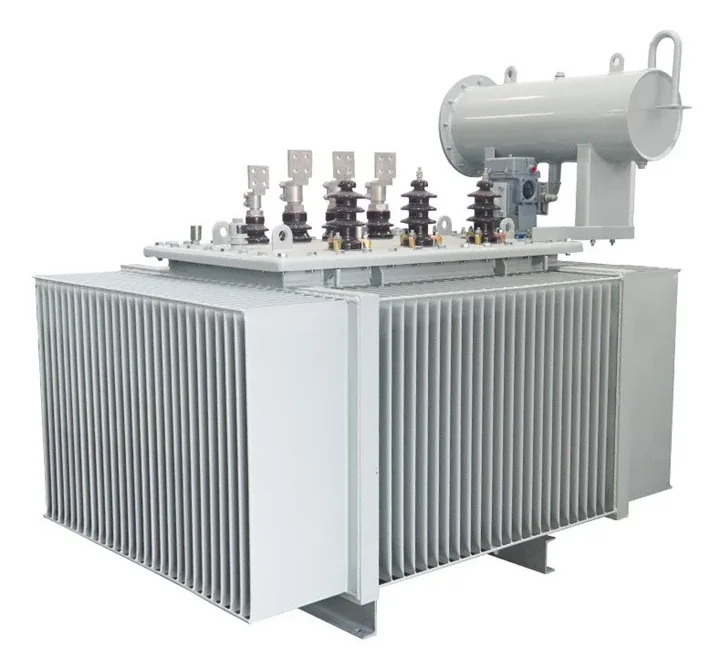
BTank design
Conservator type
An expansion tank holds the oil-level changes, with a breather and gas-relay protection. Preferred where oil sampling and monitoring are specified.
Typical use: industrial and utility substations.
ONANNatural cooling
Oil natural, air natural. Corrugated fins or radiators dissipate the losses without auxiliary power.
ONAFForced-air cooling
Fans on the radiators add a second rating stage for the same active part. Fan supply and control are defined per project.
03 / Build
From core to finished unit
Build stage
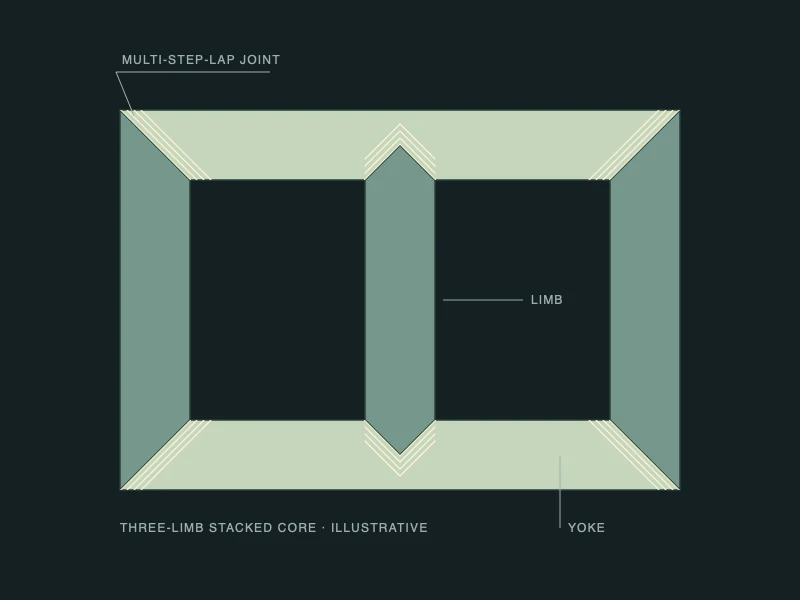
Magnetic core
CRGO laminations are stacked to the lamination schedule and clamped before the windings are fitted.
Core steel grade and loss basis stated in the offer.
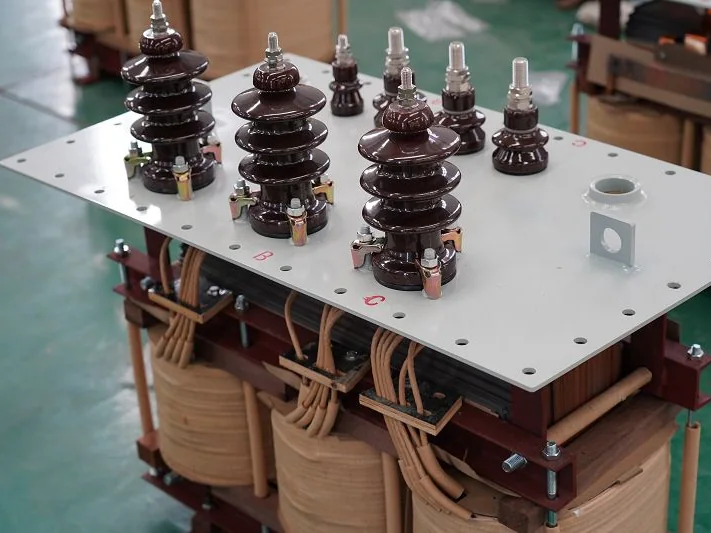
Build stage
Active part
Windings, leads and tap changer are assembled on the core and connected to the cover fittings.
Bushing arrangement and cover layout to the approved drawing.
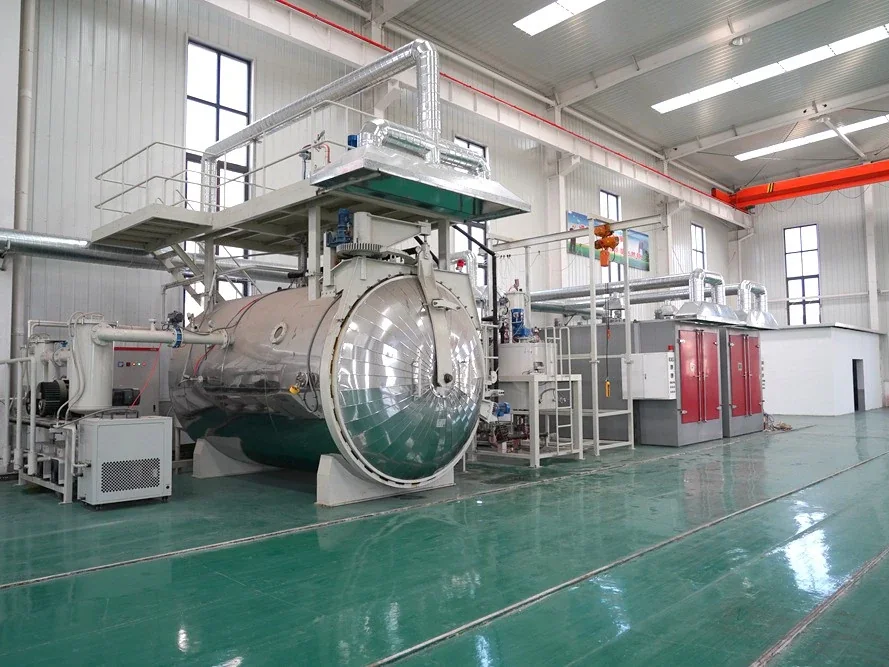
Build stage
Drying and oil filling
The active part is dried and the tank is filled with transformer oil under vacuum to remove moisture and air from the insulation.
Insulating liquid by specification.
04 / Testing
Routine tests before dispatch
- 01Winding resistanceMeasured on each winding and corrected to reference temperature.
- 02Voltage ratio and vector groupRatio checked on the tap positions; phase displacement verified.
- 03Impedance and load lossShort-circuit impedance and load loss at rated current.
- 04No-load loss and currentMeasured at rated voltage and frequency.
- 05Dielectric testsSeparate-source AC and induced-voltage withstand.
- 06Tank and oilLeak test on the filled tank; breakdown voltage of the oil.
Routine tests to IEC 60076-1 unless the project standard differs. Type tests, special tests and witnessed testing are agreed at order.
05 / Project definition
Define the transformer before the offer
Typical applications
- Utility and industrial distribution
- Plant and site substations
- Renewable-energy collection
- Infrastructure and building supply
Specification checklist
Rated power, HV / LV voltages, frequency, vector group, impedance, cooling, tank type, tap changer, loss requirement, installation altitude and destination.
Before ordering
Can you supply transformers to a specified loss requirement?
Yes. State the no-load and load loss values, or the efficiency regulation that applies, with the enquiry. The design is confirmed against them in the technical offer.
Copper or aluminium windings?
Both are available. Copper gives a more compact active part; aluminium lowers the material cost. The choice is confirmed together with the loss and dimension requirements.
Sealed tank or conservator?
Sealed tanks suit distribution duty with minimal maintenance. Conservator tanks suit larger ratings and sites that specify oil sampling and gas-relay protection.
Which documents come with the transformer?
The general arrangement drawing, nameplate data and routine test report are typical. Further documents are agreed per order.
RFQTechnical review
Send your transformer specification
Include rated power, HV / LV voltages, vector group, cooling and destination.