

The supplied transcription describes one package, not the complete shipment. It lists case 1 of 10 at 3,774 kg net and 4,026 kg gross, with 63 MVA entered as the transformer application specification. Because the other nine case weights are unavailable, neither the complete consignment weight nor the contents of those cases can be derived from this entry.
The same transcription lists four handling instructions: keep dry, this side up, handle with care and do not stack. The original packing-mark image was not available for this review, so the figures and wording below interpret the supplied transcription rather than independently authenticate the mark.
The transcribed package data
| Field | Transcribed entry |
|---|---|
| Product | Transformer core |
| Application specification | 63 MVA |
| Quantity entry | 1 |
| Case position | 1 of 10 |
| Net weight | 3,774 kg |
| Gross weight | 4,026 kg |
Let G be gross weight, N be net weight and D be their difference. Because G = N + D, the transcribed values give D = G − N = 4,026 − 3,774 = 252 kg. This is a difference between two recorded entries, not proof of the composition of that difference. It applies only to case 1; multiplying either weight by ten would assume that all ten cases are identical.
The 4,026 kg gross value is a mass input, not a complete lifting specification. Eaton instructs users of its pad-mounted transformers to compare transformer weight with the capacity and condition of the lifting equipment and not to use machinery with insufficient capacity.[2] For this separately packed core, the approved package-specific handling plan must additionally establish the load-bearing points, rigging arrangement and applicable allowances. Those details cannot be derived from the packing-mark transcription.
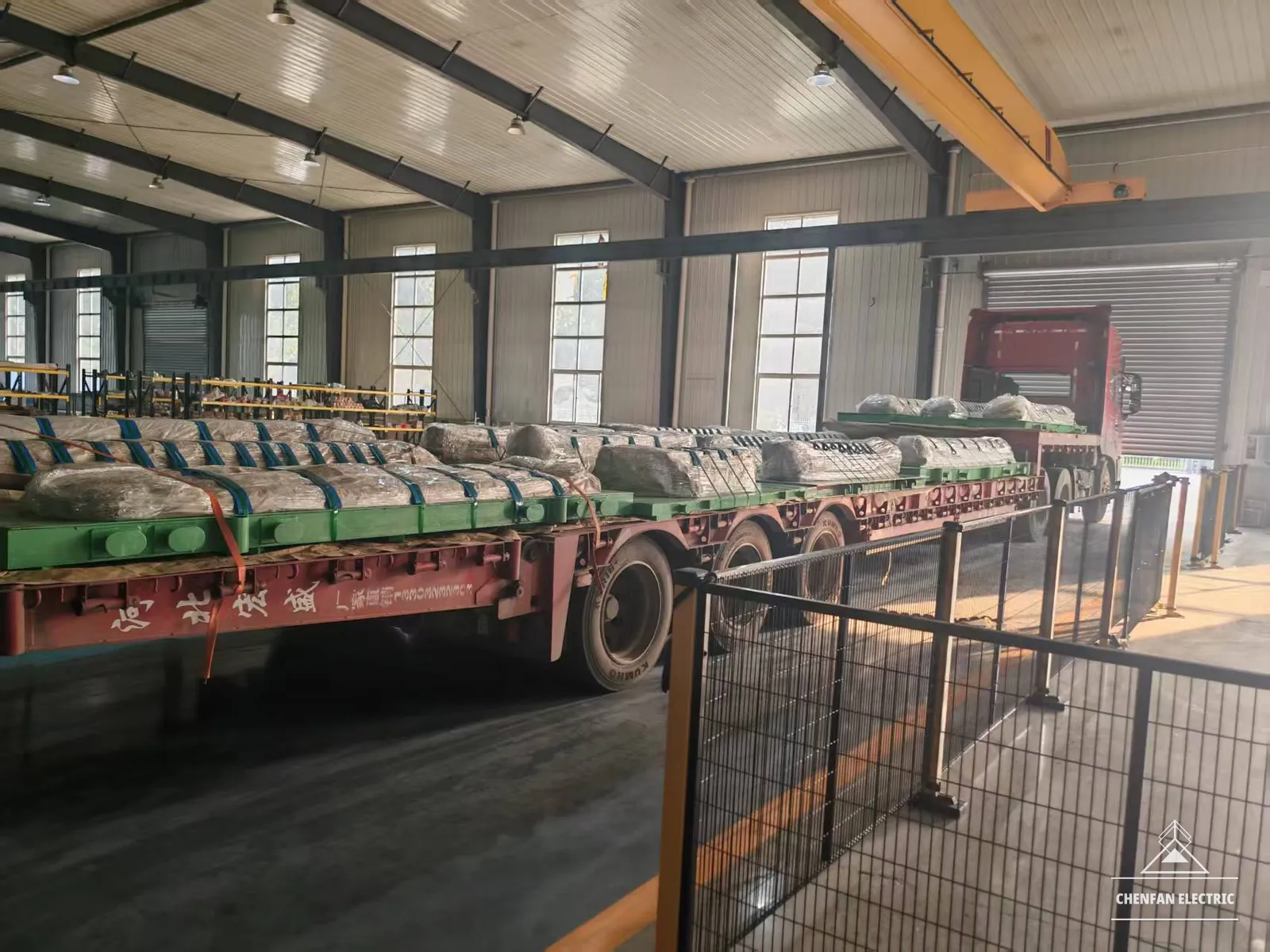
Turn the four marks into receiving actions
Inspect the package while its identity and external condition can still be connected to the transport record. Rex’s dry-type-transformer manual calls for inspection immediately upon receipt, before acceptance and removal from the carrier’s vehicle; Eaton’s pad-mounted-transformer manual specifies inspection before unloading.[1][2]
Before unloading, match “case 1 of 10” to the packing list and transport record. Eaton also requires confirmation that the parts listed on the bill of lading are present and that damage or shortages are recorded on the freight bill.[2] These manufacturer procedures inform the receiving checklist; they do not supply the lifting plan or qualify the handling arrangement for this separately packed core.
Carry the transcribed marks into the unloading and temporary-storage plan: maintain the indicated upright orientation, keep the package dry, handle it carefully and place no package or other load above it. Record any visible damage or shortage against the case identifier.
Use only lifting and support points identified by the approved package-specific instructions. Wrapping, bundling straps and visible supports are not established as lifting points by this transcription.
Questions for the package-specific documents
If case 1 contains pre-stacked laminations, confirm from the approved packet schedule how every packet maps to its limb or yoke position, sheet group, quantity and orientation. Keep that identifier linked to the case during inspection, storage and assembly.
Confirm the specified support positions and protected contact areas before moving long sheets or packets. The packing-mark transcription does not define acceptable contact at mitre tips or functional joint edges, restraint placement, permitted deflection or the unloading sequence.
Use the approved package map and assembly schedule to arrange temporary storage. These documents—not visual similarity to another case—determine whether packets may be moved, separated or reordered.
What the transcription establishes
It supports one reproducible result: the stated gross–net difference for case 1 is 252 kg. It also provides four handling restrictions that can be transferred to the receiving record.
It does not establish the weights or contents of cases 2–10, the complete consignment weight, the composition of the 252 kg difference, the final lifting arrangement or whether case 1 contains a complete 63 MVA core. Those conclusions require the original mark, the complete packing list and the approved package drawings or handling plan.
References
- [1] Rex Power Magnetics, Dry-Type Power Transformers: Installation, Operation and Maintenance Manual, Doc. IOMM-POW-EN, March 2026, §3.1 “Receiving,” p. 6.
- [2] Eaton, Three-Phase Pad-Mounted Compartmental Type Transformer Installation and Maintenance Instructions, MN202001EN, August 2015, “Acceptance and Initial Inspection,” “Transformer Weight” and “Lifting Transformers by Crane or Hoist,” printed p. 1 (PDF p. 5).